Subscriber Full Name͏‌ ͏‌ ͏‌ ͏‌ ͏‌ ͏‌ ͏‌ ͏‌ ͏‌ ͏‌ ͏‌ ͏‌ ͏‌ ͏‌ ͏‌ ͏‌ ͏‌ ͏‌ ͏‌ ͏‌ ͏‌ ͏‌ ͏‌ ͏‌ ͏‌ ͏‌ ͏‌ ͏‌ ͏‌ ͏‌ ͏‌ ͏‌ ͏‌ ͏‌ ͏‌ ͏‌ ͏‌ ͏‌ ͏‌ ͏‌ ͏‌ ͏‌ ͏‌ ͏‌ ͏‌ ͏‌ ͏‌ ͏‌ ͏‌ ͏‌ ͏‌ ͏‌ ͏‌ ͏‌ ͏‌ ͏‌ ͏‌ ͏‌ ͏‌ ͏‌ ͏‌ ͏‌ ͏‌ ͏‌ ͏‌ ͏‌ ͏‌ ͏‌ ͏‌ ͏‌ ͏‌ ͏‌ ͏‌ ͏‌ ͏‌ ͏‌ ͏‌ ͏‌ ͏‌ ͏‌ ͏‌ ͏‌ ͏‌ ͏‌ ͏‌ ͏‌ ͏‌ ͏‌ ͏‌ ͏‌ ͏‌ ͏‌ ͏‌ ͏‌ ͏‌ ͏‌ ͏‌ ͏‌ ͏‌ ͏‌ ͏‌ ͏‌ ͏‌ ͏‌ ͏‌ ͏‌ ͏‌ ͏‌ ͏‌ ͏‌ ͏‌ ͏‌ ͏‌ ͏‌ ͏‌ ͏‌ ͏‌ ͏‌ ͏‌ ͏‌ ͏‌ ͏‌ ͏‌ ͏‌ ͏‌ ͏‌ ͏‌ ͏‌ ͏‌ ͏‌ ͏‌ ͏‌ ͏‌ ͏‌ ͏‌ ͏‌ ͏‌ ͏‌ ͏‌ ͏‌ ͏‌ ͏‌ ͏‌ ͏‌ ͏‌ ͏‌ ͏‌ ͏‌ ͏‌ ͏‌ ͏‌ ͏‌ ͏‌ ͏‌ ͏‌ ͏‌ ͏‌ ͏‌ ͏‌ ͏‌ ͏‌ ͏‌ ͏‌ ͏‌ ͏‌ ͏‌ ͏‌ ͏‌ ͏‌ ͏‌ ͏‌ ͏‌ ͏‌ ͏‌ ͏‌ ͏‌ ͏‌ ͏‌ ͏‌ ͏‌ ͏‌ ͏‌ ͏‌ ͏‌ ͏‌ ͏‌ ͏‌ ͏‌ ͏‌ ͏‌ ͏‌ ͏‌ ͏‌ ͏‌ ͏‌ ͏‌ ͏‌ ͏‌ ͏‌ ͏‌ ͏‌ ͏‌ ͏‌ ͏‌ ͏‌ ͏‌ ͏‌ ͏‌ ͏‌ ͏‌ ͏‌ ͏‌ ͏‌ ͏‌ ͏‌ ͏‌ ͏‌ ͏‌ ͏‌ ͏‌ ͏‌ ͏‌ ͏‌ ͏‌ ͏‌ ͏‌ ͏‌ ͏‌ ͏‌ ͏‌ ͏‌ ͏‌ ͏‌ ͏‌ ͏‌ ͏‌ ͏‌ ͏‌ ͏‌ ͏‌ ͏‌ ͏‌ ͏‌ ͏‌ ͏‌ ͏‌ ͏‌ ͏‌ ͏‌ ͏‌ ͏‌ ͏‌ ͏‌ ͏‌ ͏‌ 

View in Browser

Save Shoreline Trees

Newsletter - Spring 2024

www.saveshorelinetrees.com
saveshorelinetrees@gmail.com

Urban Forest Cut Down on N 145th

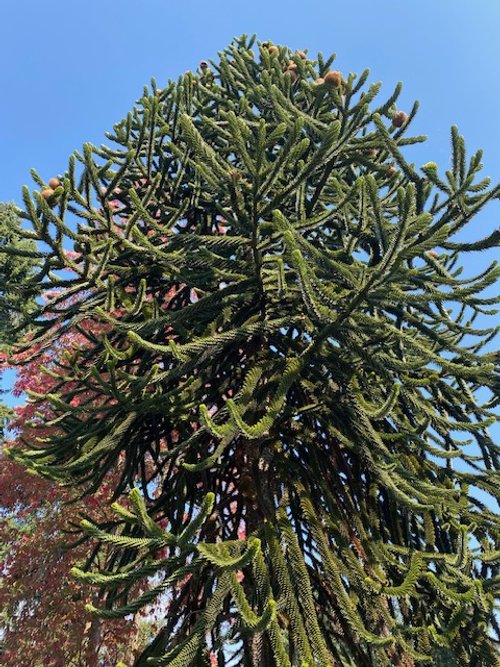
BEFORE

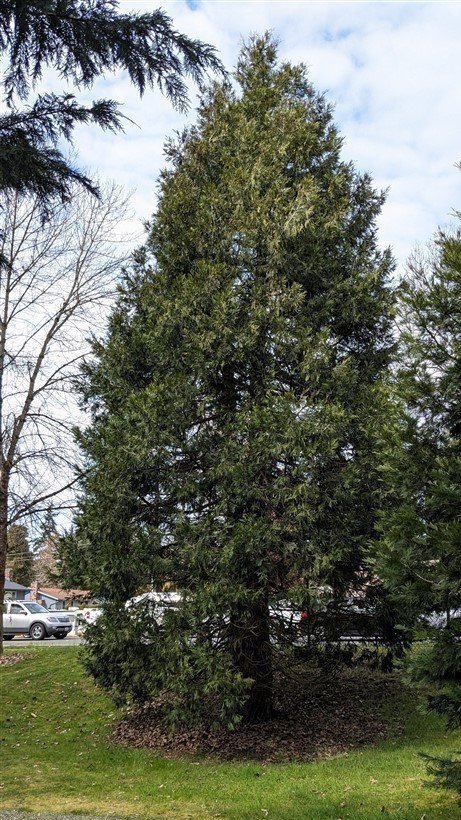
Before: Monkey Puzzle Tree on the north side of N 145th between Corliss and Sunnyside was cut down on April 4, 2024.

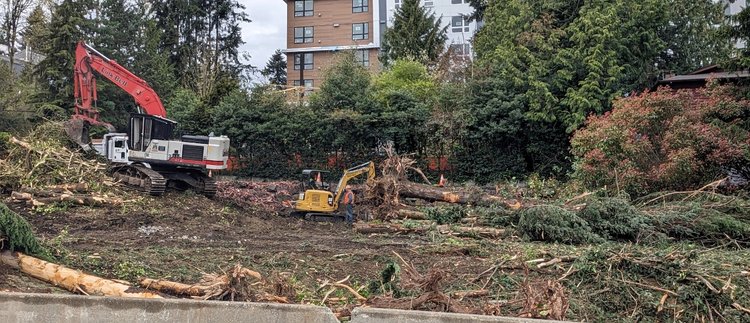
After: Site of the Monkey Puzzle Tree and additional trees cut down. The two conifers in the background will remain standing but all of the companion trees have been cut down.

AFTER

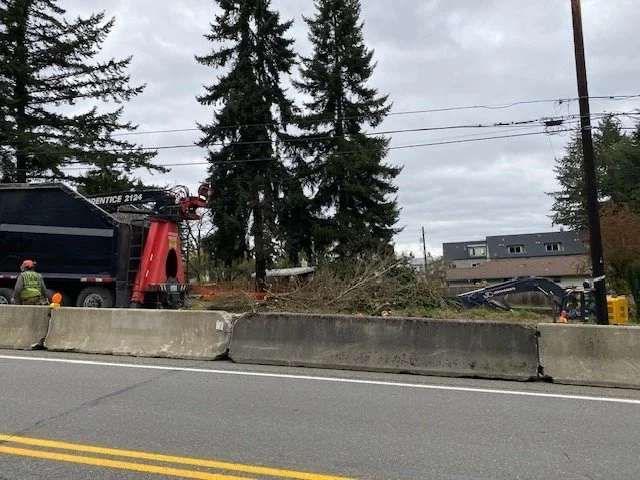
Clearing of Douglas firs, Western red cedars, Austrian pines, big leaf maples, Western hemlocks and more trees started on Thursday, April 4 and will continue next week. 317 trees cut down from Corliss east to 5th Ave NE.

As part of N 145th corridor renovation project, phase 1, and the I-5 interchange project where two roundabouts will be constructed, 317 trees are being cut down along N 145th from Corliss Ave N to 5th Ave NE. On the Shoreline side of N 145th, 8’ wide and 13’ wide sidewalks, and amenity strips 5’ in width, are the reason for many of the tree removals. (For more information about the trees, see the arborist report links below.) The public was informed about the tree removals on October 26, 2023. Save Shoreline Trees, Tree Action Seattle, and tree supporters tried to retain some of the trees identified for removal but all requests to City, Council, and County had no effect on the outcome. By October 2023, it was too late as plans were final and the N 145th Phase 1/I-5 Interchange $62 million project was funded. The only good news is that Lakeside School on the south side of N 145th retained most of their tall conifers since sidewalks will be only 5’ wide. 864 replacement trees and shrubs will be planted; 350 of these are Sound Transit replacements for prior mitigation. Depending on the species, trees do not start storing carbon for ten to twenty years. There are simply no replacements for what these trees provided to residents, wildlife, and our environment.

Arborist Report for N 145th

Arborist Report for I-5 Interchange (Draft)

What’s happening along N 175th?

Tree #450, living in Ronald Bog Park, a 22.6” dbh incense cedar, will be removed during Phase 1.

The N 175th Corridor Project will extend from I-5 west to Midvale Avenue N. According to the current plan, 274 trees will be removed. In consideration of the Climate Emergency Resolution 494 approved by Council in 2022, Save Save Shoreline Trees asked the City to retain more of the established trees along N 175th. Phase 1 includes renovation along Ronald Bog Park frontage on the south side of N 175th, the north side, up to and including the intersection of N 175th and Meridian. At the City Council meeting on April 1, 2024 staff informed Council and residents that seismic walls will be installed along Phase 1. Approximately 94 trees will be removed during Phase 1 including twelve (12) trees along Ronald Bog Park frontage.

Arborist Report Draft, Dec 2022.

Update: Approximately 777 trees will be removed for the N 145th projects including the N 145th Phase 1 & I-5 interchange project; N 145th Phases 2 & 3 from Corliss west to Linden; the N 148th St non-motorized bridge; and, the N 175th corridor renovation project.


Illustration by Meaghan Weeden, June 22, 2023

How Much CO2 Do Trees Absorb?

“While trees are generally effective at reducing air pollution, it isn’t as simple as the more trees you have in an urban space, the better the air will be. Some trees are markedly more effective at filtering pollutants from the air than others. To make the most difference in air quality in a street or city, it has to be the right tree for the job.”

https://www.bbc.com/future/article/20200504-which-trees-reduce-air-pollution-best

Why Size Matters.

When it comes to Climate Change not all trees are equal.

by Boni Biery

Human beings eat to grow/restore themselves. Trees photosynthesize using sunlight to create sugars for growth from carbon dioxide (CO2) and water. In the process they split the water (H2O) and transpire or breathe out oxygen. The underside of tree leaves is covered with tiny pore-like openings called stomata. The stomata act as exchange agents. They take in CO2 from the atmosphere for photosynthesis by the tree. Then they “transpire” the waste products of water vapor and oxygen (O2) out. “Capturing carbon" isn't some abstract concept. When you look at a tree, what you're seeing is basically all the carbon they've captured. The leaves, the bark, the wood.The more stomata, the greater the amounts of clean O2 and cooling water vapor are produced for human benefit.

Here are considerations:

First – Is the tree evergreen? Evergreen tree canopies are photosynthesizing every day of the year. Deciduous trees, drop their leaves and go “dormant” for a period of months each year. When they have no leaves, they are not cleaning the air. Therefore, evergreens are more beneficial than deciduous trees for air purification. Native evergreens typically grow to have significantly greater canopy leaf area volume, providing greater benefits from CO2 – O2 exchange, summer cooling from shade to transpiration and winter wind protections.

Second – If the tree is evergreen, is it broad-leafed or a conifer? Conifers are the cone-producing trees and while their needle-leaves are small they have greater surface area than broad-leafed evergreens like our native Pacific Madrone (Arbutus menziesii).

Third – If it is an evergreen conifer, is it mature? Many conifers grow quite large and the larger the volume of the canopy the greater the leaf surface area that can photosynthesize and produce both clean oxygen and cooling water vapor. Mature trees are less vulnerable to drought than smaller, weaker trees.

Volume vs. Circumference - The typical way that urban canopies are measured is by flying over the tree canopy and measuring the ground cover. Sadly, this one-dimensional measurement accounts only for the diameter or dripline of a tree. A far more accurate means of assessing tree benefits is to measure the volume of the canopy. This requires knowing the overall shape of the canopy along with its height x width x depth to properly calculate the total volume.

Finally - “ . . . adaptation and mitigation strategies will help us as the climate changes. Humans can support plant survival by making sustainable lifestyle decisions, including planting native species, avoiding pesticides and chemicals, and encouraging ecosystem reforestation efforts. Not only are these actions simple to take up, they support our environment as a whole.” https://www.nps.gov/articles/000/plants-climateimpact.htm

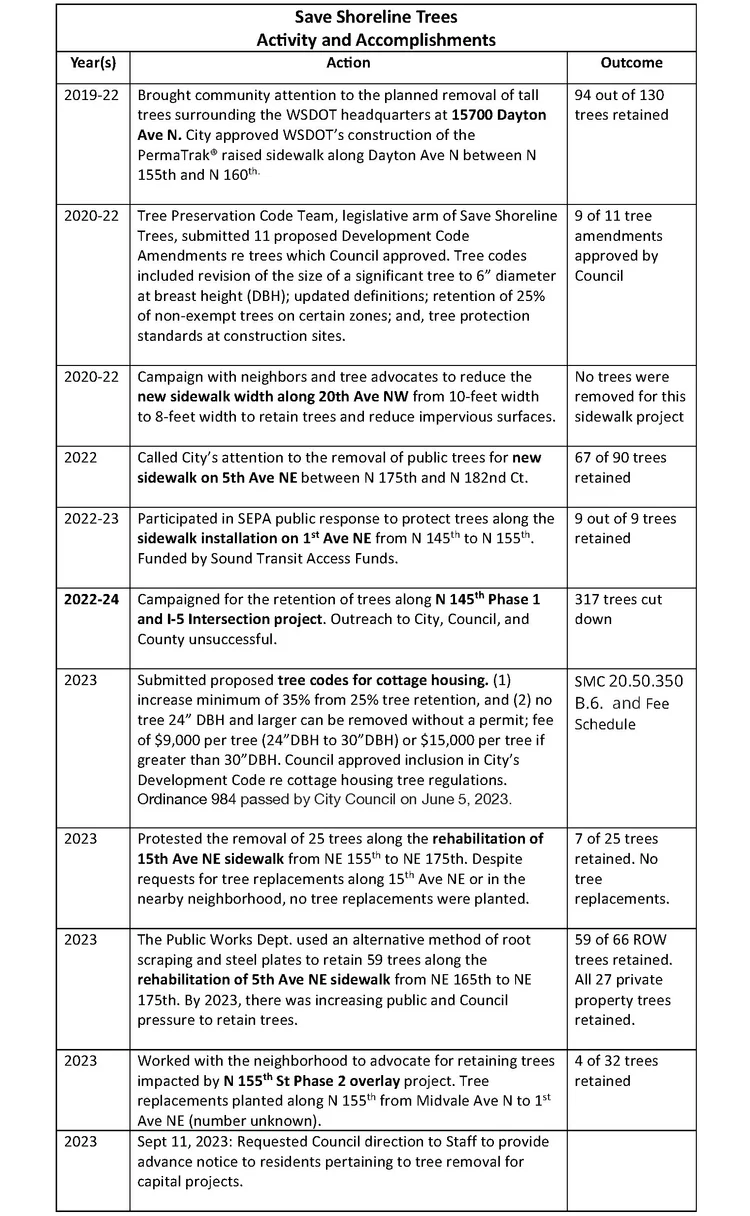
Save Shoreline Trees: 2019 to Present

When Save Shoreline Trees started in November 2019 we joined with longtime tree advocates in Shoreline. We all continue to lobby the City of Shoreline to protect our trees and environment.

We are not always successful in our campaigns. We were not successful in efforts to revise the tree code to protect trees 70” DBH and greater. This campaign was an effort to retain the Grand Sequoia in the former Bank of America parking lot on Firlands Way and additional trees 70” DBH and greater. We plan to re-submit this proposed code in 2024.


Twelve Trees by Daniel Lewis, curator and historian, describes what is happening to trees in the world. Preface, page xv: “Trees are at risk from many threats: insect and fungal infestations driven by a warming planet have brought down billions of individual trees, airborne poisons drift into forests, and tides are rising while freshwater tables are dropping. The story of decline is voluminous and complex.” Page xvi: “Now it’s our chance to pioneer a path to rejuvenation.” This book offers hope as we continue in our effort to save trees.


Tree Removals - City Project Links

The City of Shoreline is now posting information about tree removals on the City website. Arborist reports are also posted.

City Project Links:

  • Capital projects where trees will be removed

  • N 145th and I-5 Interchange project page

  • N 175th Corridor Renovation

Join the Save Shoreline Trees email group

City Info + Contact List

City of Shoreline
City of Shoreline Calendar

Bristol Ellington, City Manager   

City Council Emails

Mayor Chris Roberts    

Deputy Mayor Laura Mork     

Annette Ademasu 

Eben Pobee    

John Ramsdell    

Betsy Robertson  

Keith Scully

Group Emails
City Council

Planning Commission

Parks, Recreation, Cultural Services/Tree Board

City Contact Info: Trees

  • Trees on private property: 206.801.2500 or email pcd@shorelinewa.gov

  • Public trees: Customer Response Team 206.801.2700

  • Code Enforcement is available 24/7 to respond to emergencies.

  • Trees in city parks: 206.801.2615


Email comments or questions to
saveshorelinetrees@gmail.com

Save Shoreline Trees

Save Shoreline Trees, PO Box 55281, Shoreline WA 98155, United States

Powered by Squarespace

Unsubscribe